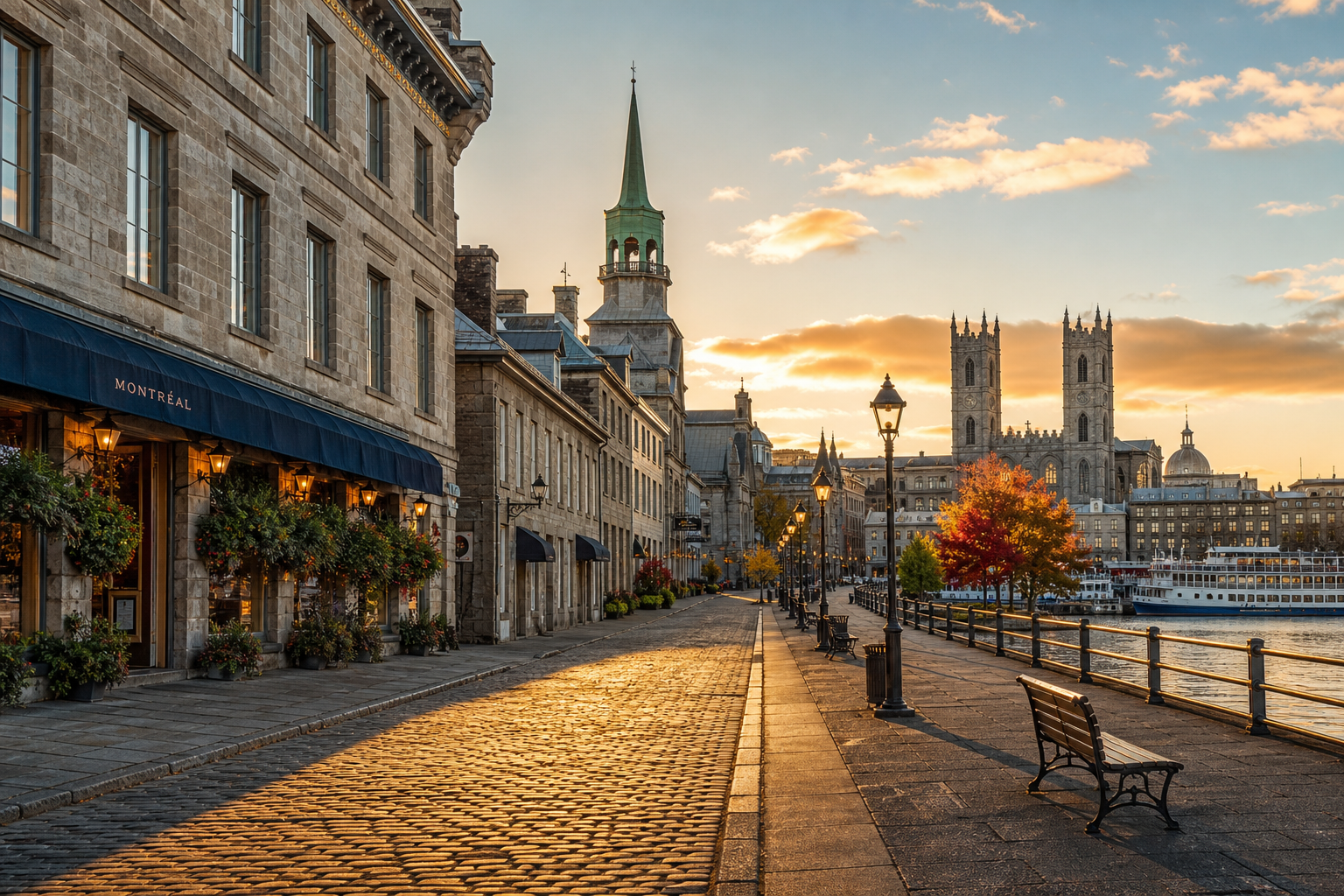
Cultural authority
French Canadian culture for cruise passengers
Language, heritage, festivals, cuisine, and practical tips for understanding Montréal beyond the cobblestones.
Language: bonjour, merci, and bilingual life
Québec's official language is French — Bill 101 established French as the language of public life, education, and commerce. Montréal operates bilingually in practice: you will hear French on the street, see French signage first, and receive English service in tourism without difficulty.
Practical phrases for cruise passengers:
- Bonjour — hello (always when entering a shop or restaurant)
- Merci — thank you
- S'il vous plaît — please
- Parlez-vous anglais? — do you speak English?
- L'addition, s'il vous plaît — the bill, please
Attempting French first — even a single bonjour — signals respect. Most staff respond warmly in English when needed.
French heritage and founding story
Montréal was founded in 1642 as a French Catholic missionary settlement at the confluence of the St. Lawrence and Ottawa rivers. Vieux-Montréal preserves this layer — fortified walls, Place d'Armes, and the Notre-Dame Basilica anchor a narrative of fur trade, Catholic missions, and eventual British conquest in 1760 that did not erase French identity.
Deep dive: Old Montréal from cruise port and Notre-Dame Basilica guide.
How Montréal differs from the rest of Canada
English-speaking Canada and Québec share a country but not identical culture. Québec maintains distinct civil law, language laws, and a nationalist identity rooted in French colonial history. Montréal expresses this through street language, culinary traditions, and political discourse invisible to passengers who only photograph architecture.
Cruise passengers from the United States often find Montréal feels more European than any city south of the border — that impression is accurate and culturally grounded, not theme-park decoration.
Catholic architecture and sacred spaces
Catholicism shaped Montréal's skyline for centuries — church spires punctuate Vieux-Montréal, Notre-Dame Basilica's blue interior expresses 19th-century devotional art, and quiet respect is expected inside active places of worship.
Even secular visitors benefit from understanding that these are living religious sites, not museums — dress modestly, silence phones, and follow staff guidance during services.
Festivals and cultural calendar
Summer brings world-class festivals — Just for Laughs comedy, Francofolies French-language music, Montreal International Jazz Festival, and Osheaga. Winter offers Montréal en Lumière and Igloofest. Festival weekends crowd Vieux-Montréal and the Old Port — plan extra return margin on cruise calls that coincide with major events.
Seasonal context: best time to visit Montréal.
Cuisine as cultural identity
Food is not separate from French Canadian culture — it expresses it. Poutine, smoked meat, Montreal bagels, tourtière, and maple treats carry stories of French settlers, Jewish immigration, and Québécois ingenuity.
Explore through our food tour guide and Montréal food tour enquiry page.
Practical tips for cruise passengers
- Start every shop and restaurant interaction with bonjour
- Carry Canadian dollars — CAD is required; U.S. dollars accepted poorly
- Tip 15–18% at restaurants — not included in the bill
- Respect quiet in churches and basilica interiors
- Book Notre-Dame Basilica tickets in advance on port days
- Stay in Old Montréal for highest cultural density per minute ashore
- Enquire about bilingual guides on organised tours
Port logistics: Montréal cruise port guide.
Return-to-ship confidence
HighCultural experiences concentrated in Old Montréal offer high return confidence — the terminal sits within Vieux-Montréal. Build 30–45 minutes before all-aboard. Festival crowds and double-ship days require extra margin.
Organised shore excursions from reputable operators are structured around cruise schedules. Confirm terminal pickup and drop-off when you enquire.
Frequently asked questions
Do you need to speak French in Montréal?
No — Montréal is officially bilingual and tourism staff usually speak English. Starting with bonjour and closing with merci shows respect for Québécois identity.
What makes Montréal different from the rest of Canada?
French language, Catholic architectural heritage, distinct cuisine (poutine, smoked meat, Montreal bagels), and a legal and cultural framework rooted in Québec's French colonial history.
What is appropriate language etiquette for cruise passengers?
Say bonjour when entering shops and restaurants, merci when leaving, and s'il vous plaît for please. Staff will typically switch to English if you need it.
How does Catholic heritage appear in Montréal?
Notre-Dame Basilica, church spires throughout Vieux-Montréal, religious feast days, and French-language services reflect centuries of Catholic settlement.
What festivals showcase French Canadian culture?
Just for Laughs, Francofolies, Montreal International Jazz Festival, and winter Igloofest — summer calls overlap with major events near the Old Port.
How does food express French Canadian identity?
French technique blended with Québécois ingredients — poutine, tourtière, maple syrup, and bistro classics distinguish Montréal from English Canadian cities.
Where should cruise passengers experience culture on a port day?
Old Montréal walking tours, Notre-Dame Basilica, Place Jacques-Cartier, and food tours offer the highest cultural density within walking distance of Alexandra Pier.
Plan your port day
- Montréal cruise port guide — Alexandra Pier, walking, STM, weather
- Cruise planner — match excursions to your hours ashore
- Old Montréal from cruise port
- Montréal food guide
- One day in Montréal
- Old Montréal walking tour — enquire about this tour
- Montréal food tour — enquire about this tour
Need help choosing?
Tell us your ship, port hours, and interests — we'll suggest Montréal shore excursions that fit your schedule and return-to-ship window.